Rethinking Urban Parking Through System Design
Bird / External Engagement Studio 25'

SmartPark reimagines micro-mobility logistics by turning human behavior into infrastructure, reducing friction at every decision point while aligning individual rider goals with system health.
Duration
1 year
Team
Akanksha, Manasa, Rucha & Sheldon
Role
Lead Designer
The OPPORTUNITY
Shared Micro-mobility is a logistics Business.
We approached Bird's parking challenges not as a user experience problem, but as a systems problem. Every e-scooter is a node in a distributed logistics network. The question: How do we design the network to work with human behavior, not against it?

.png)
Where the System Breaks
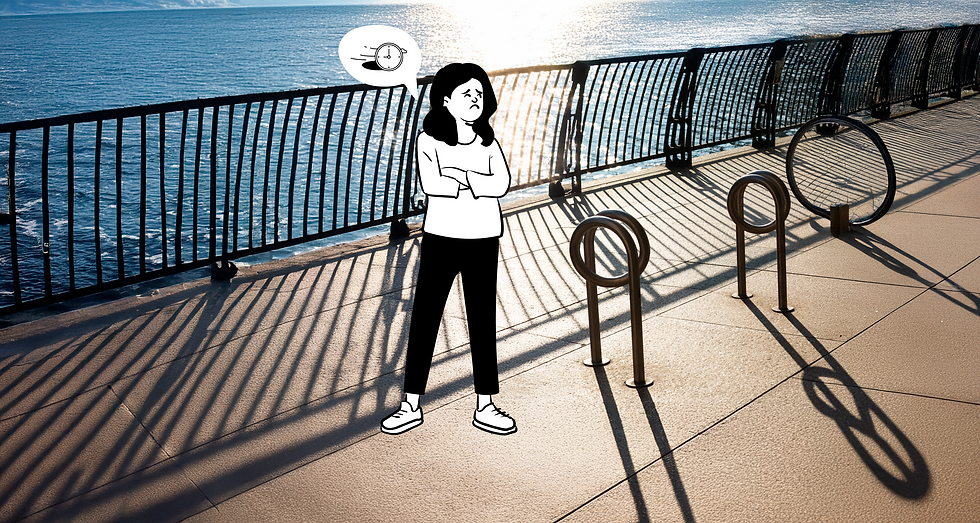
Riders hunt for parking 1–3 extra minutes per trip in dense areas. Scooters cluster unpredictably, creating liability and clutter, Rider experience suffers and Public perception worsens.
of riders choose e-scooters to save time, but delays negate that advantage
38%
of riders choose e-scooters to save time, but delays negate that advantage
of urban residents view scooters negatively due to clutter and unreliability
30%
5+
minutes added per trip due to parking delays and unavailability
38%
30%
how might we?
How might we create a reliable, intuitive parking system for dense cities that ensures availability, minimizes end-of-trip friction, and transforms riders into active system collaborators?
the solution
SmartPark is not a single feature, it's a coordinated system that combines hybrid infrastructure, real-time intelligence, and behavioral incentives to solve logistics at every scale: city-wide rebalancing, neighborhood predictability, and trip-level friction reduction.
SmartPark : Three Interlocking Systems
.png)
Predictive alerts and dynamic rerouting at key decision moments. Turns parking unpredictability into guided opportunity.
Real time nudges
Loyalty System
Micro-rewards for behaviors that support system health. Riders become advocates, not just users.
Infrastructure Strategy
One Size Doesn't Fit All: Zone-Based Design
Rather than imposing a single infrastructure model citywide, SmartPark segments based on density and use cases.
Each zone gets a tailored docking strategy that reduces wasted infrastructure while maximizing reliability where it matters most.

Layering Behavior into the System
System Design Philosophy
Rider Conversion
.png)
Micro Moments Matter
Small nudges, tiny rewards, clear guidance compound into behavioral shifts. Riders become active system collaborators.
System Rebalancing
Zone Based Rewards

Riders earn points for parking in lower-demand areas or soft hubs in outer zones, preventing bikes from clustering in high-traffic zones
Safety and Compliance
Dynamic Safety Protocols
.png)
Allows dockless parking in unsafe areas during high-risk hours (10 PM–5 AM) with zero cost penalty.
Parking Predictability
Dock Availability Intelligence
.png)
.png)
It predicts when a rider is approaching a full dock and reroutes to a nearby underutilized one. User gets real-time updates
PROJECTED IMPACT
How SmartPark Transforms the System
60%
reduction in parking search time
+45%
improvement in dock availability
3x
faster system rebalancing
+35%
rider trip frequency (loyalty effect)

Design is Systems Thinking Made Real
SmartPark demonstrates that solving complex logistics isn't about feature density—it's about understanding how incentives, information, and infrastructure interact. When you design the system, the behavior follows.
Riders
Parking becomes predictable, Trip times are reliable. Incentives feel like rewards, not manipulation. Safety protocols are transparent. Riders feel heard and valued.
City
Supply and demand self-balance, docking infrastructure is optimized by zone to reduce capital waste, safety incidents decrease, and public perception improves.
Bird
SmartPark positions Bird as the thoughtful, reliable choice in micro-mobility. The brand promise—becomes operationalized in every trip.
Operations
E-scooters now blend into the city landscape instead of causing mess. People find them parked in order, making neighborhoods look better.